Virtual rehab for baseball, softball and throwing injuries.
Rehab that understands the demands of pitching, throwing and hitting.
If you’re dealing with arm soreness, shoulder tightness, or elbow pain from throwing, your rehab should reflect the unique adaptations of your sport - not work against them.
Baseball and softball are growing in Ireland, but access to sport-specific rehab can be limited. I work with baseball and softball players who need support and rehab that truly understands throwing demands, positional differences, and workload management. You don't have to be a pro to get pro-level arm care. I treat youth players and local league athletes across Ireland. Your rehab should be as specific as your sport so you can return to the field with confidence.
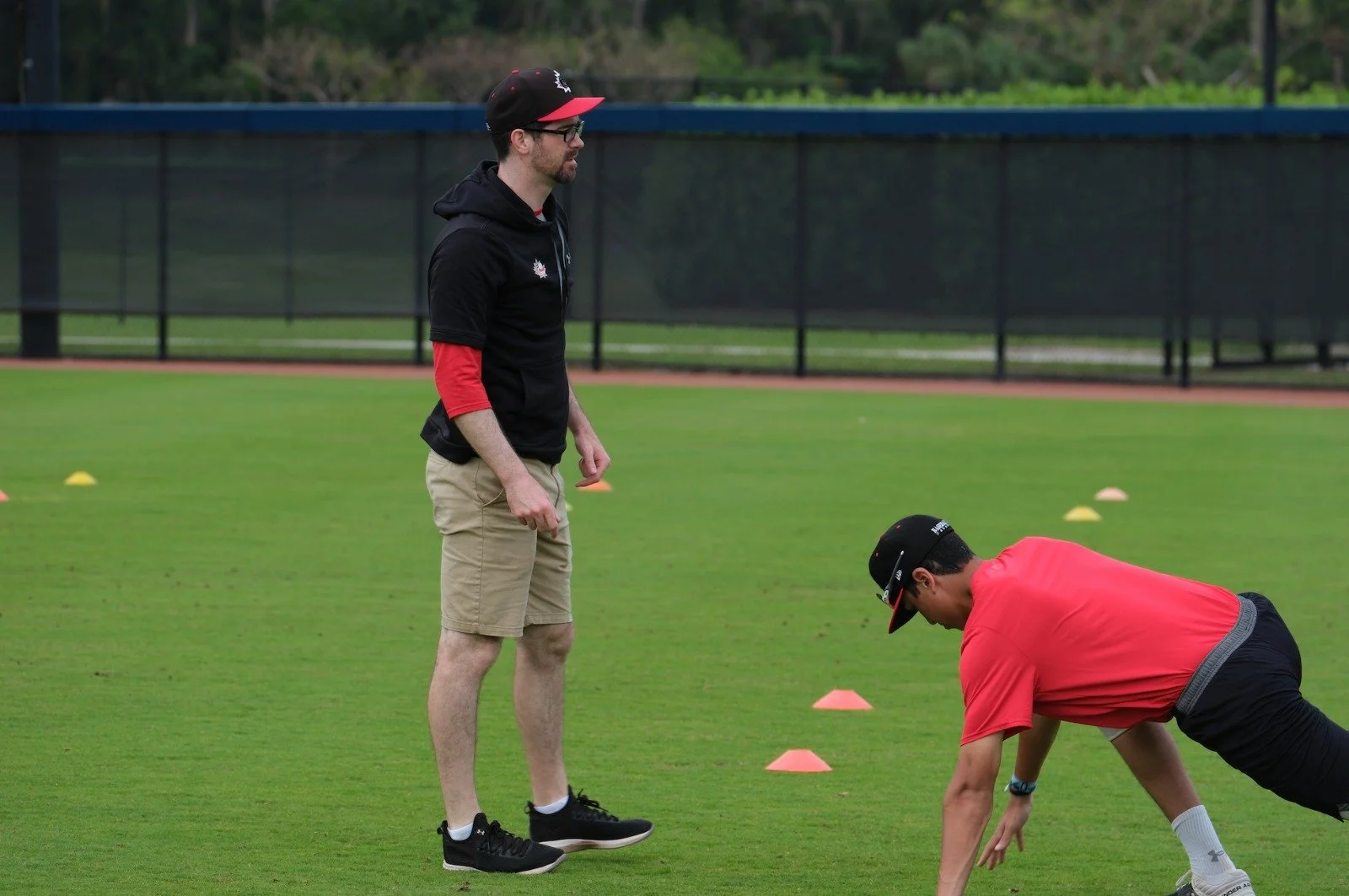
Understanding Baseball Demands
Baseball places unique stresses on the body. It is a highly repetitive, one-side dominant sport that creates distinct adaptations in baseball players. Understanding these adaptations is key to effective rehab and injury prevention.
Pitchers
Pitching is one of the fastest and most powerful movements in all of sports, putting repetitive stress on your arm each time you step on the mound. The shoulder and elbow are placed under high levels of load from lay-back through to ball release, with muscles throughout the entire arm highly active during the pitching motion. Pitchers face a unique challenge in preventing and managing injuries while keeping their arms durable enough to meet the season’s demands.
Position Players
Position players must balance fielding demands with hitting, running and game awareness. Each position has its own skills, but all players need quick reactions and short spurts at their position and on the base path. Though not as repetitive or forceful, position players still need strong arms to throw consistently. Hitting requires generating rotational power and reacting quickly, sometimes multiple times an at-bat. Even when plays have you waiting, you must be ready at a moment’s notice.
Rehab for baseball and softball players must respect these demands and adaptations to keep you performing at your best and prevent setbacks. Not every therapist understands this - knowing what’s normal for players and designing rehab around it is the key to effective results.
Common Injuries
-
Pitchers experience high stress on the elbow and shoulder, but the repetitive motion also affects the entire kinetic chain. Some injuries, like UCL sprains or tears (which can require Tommy John surgery), are largely unique to pitchers.
Ulnar Collateral Ligament (UCL) sprain/tear
Elbow soreness/inflammation
Rotator cuff strain
Shoulder inflammation
Shoulder impingement
Latissimus strain
Forearm flexor strain
Oblique strain
Hamstring strain
Low back strain/soreness
-
Position players face varied demands depending on their role on the field — running, throwing, hitting, and reacting quickly. This can lead to strains, sprains, and overuse injuries across the body.
Oblique strain
Hamstring strain
Groin strain
Quad strain
Calf strain
Low back strain
Ankle sprain
Hand fracture
Thumb sprain
Wrist inflammation
In Their Words…
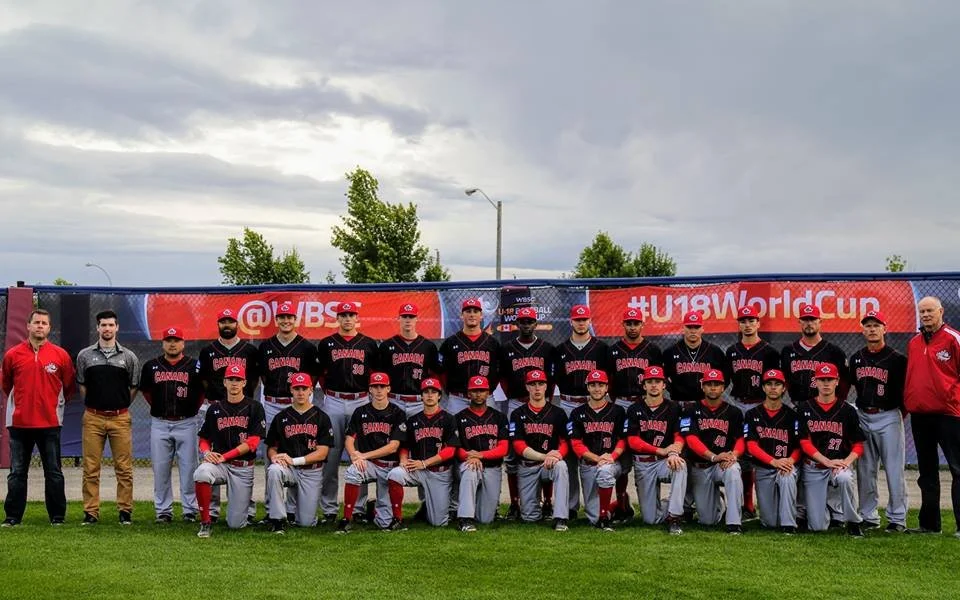
Having had the opportunity to witness Kevin Bryant's professionalism, attention to detail and exceptional athlete care first-hand, I would highly recommend Bend Without Breaking Athletic Therapy to anyone in need of assessment and treatment for pain and/or discomfort. Kevin served in an exemplary manner for many years as Baseball Canada's Head Athletic Therapist and delivered treatment and rehabilitation programs to our country's most talented amateur and professional level Baseball Players.
— Greg Hamilton
Head Coach & Director of National Teams, Baseball Canada
Baseball Canada's Junior National Team was fortunate to have Kevin serve as the athletic therapist for several years. He offered his expertise in both injury prevention and injury rehabilitation, and acted selflessly with his time afforded to players. Kevin's knowledge, care, and demeanour are perfectly suited for either keeping athletes healthy or helping them return to play.
— Chris Begg
Junior National Team Pitching Coach, Baseball Canada
Getting My Reps In
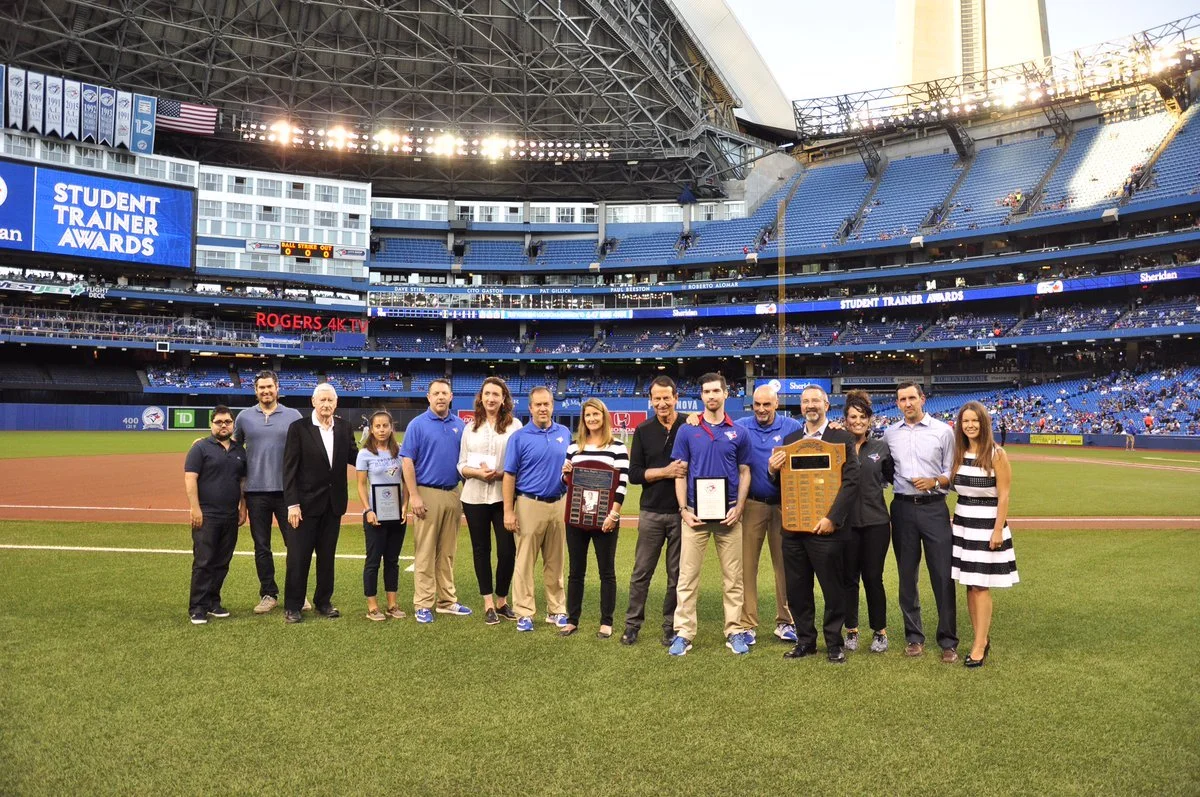
Women’s softball collegiate nationals & provincials 2015 (student placement)
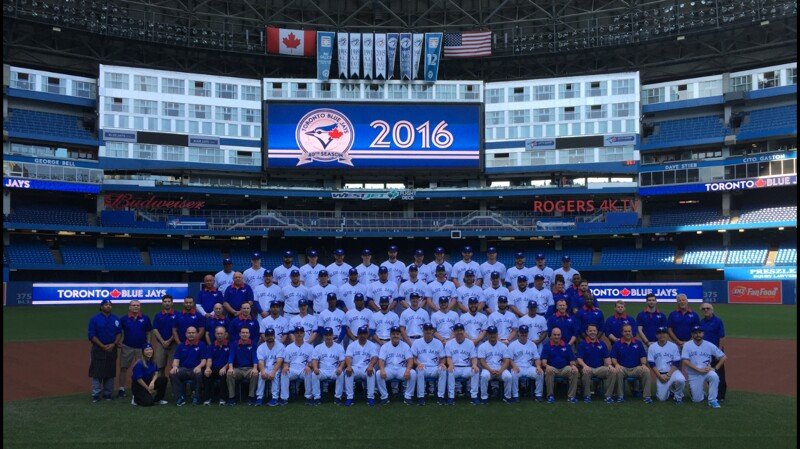
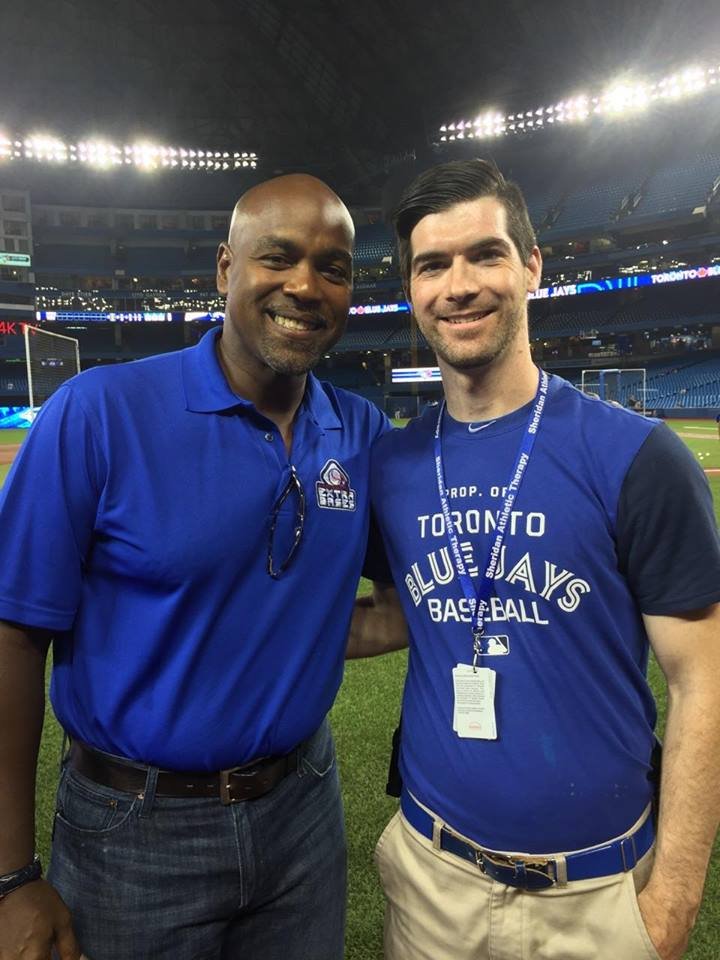
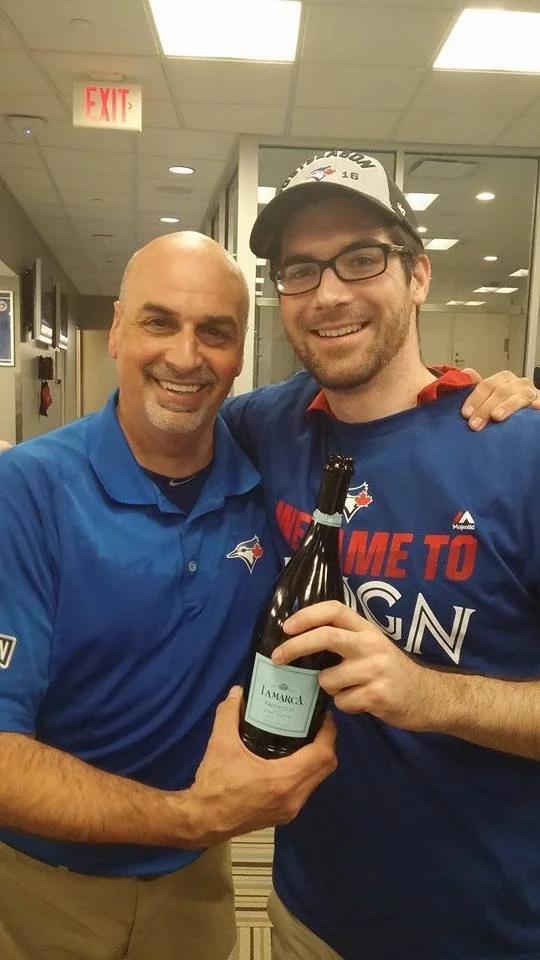
Toronto Blue Jays 2016 (student internship)
North American Indigenous Games 2017 (therapist for baseball & softball events)
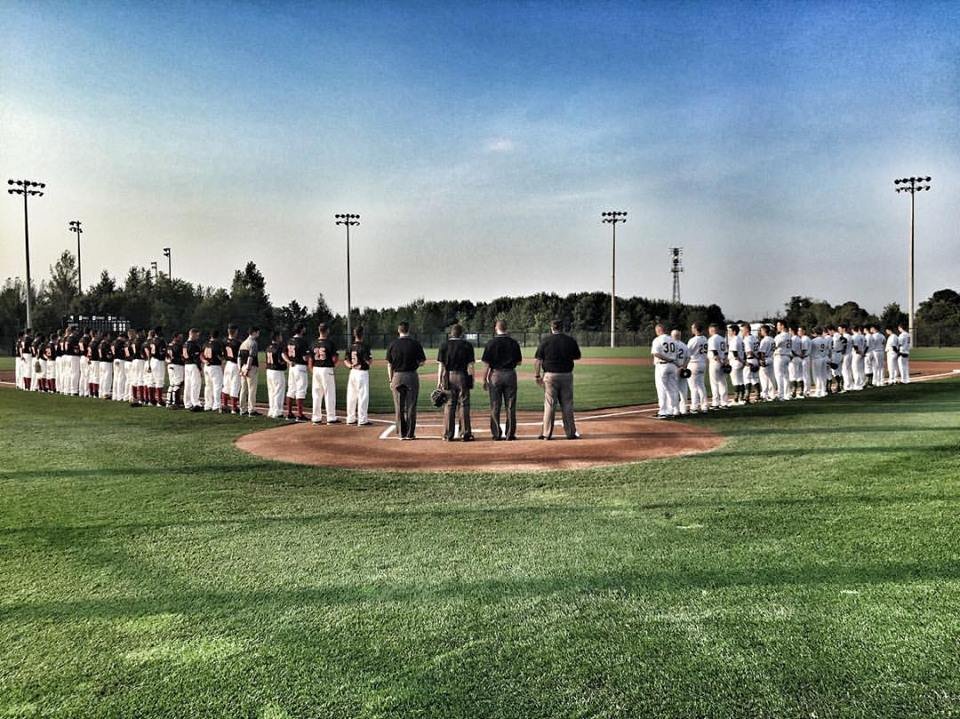
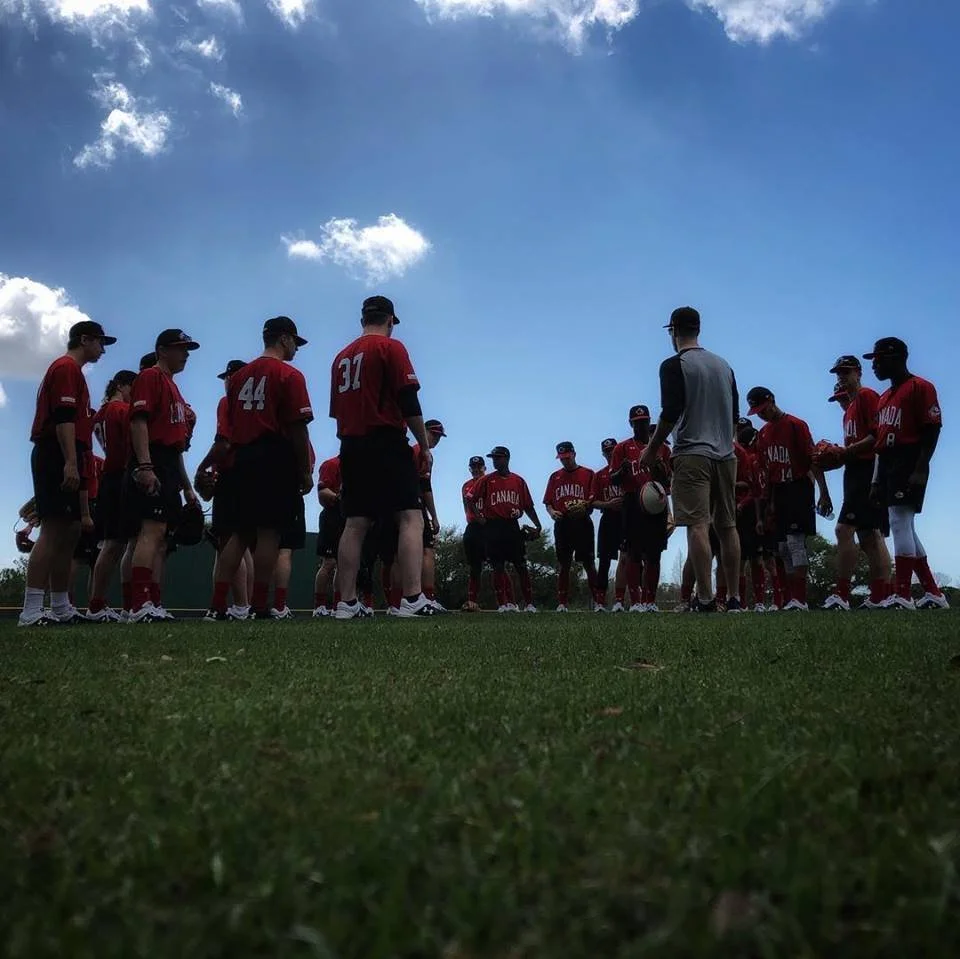
Baseball Canada Junior National Team 2017-2023 (Head Therapist)
Baseball Canada U15 Ray Carter Cup 2019 (organizing & Head Therapist)
Toronto Blue Jays Academy’s Canadian Futures Showcase 2022 (Head Therapist)
Softball Canada Women's National Team 2023 (training camp days)
American Sports Medicine Institute Injuries in Baseball (online course)
Professional Baseball S&C Coaches Society Baseball Virtual Clinic (online course)
Sturdy Shoulder Solutions (online course)
ArmCareU Armcare Specialist & Pitching Biomechanist (online course)
Playing various forms of baseball & softball 1995-present
How I Help Baseball & Softball Players
As an Athletic Therapist, my role isn’t just to reduce pain — it’s to guide you safely back to performance. My virtual rehab appointments follow the same process I use with all athletes, but every step is tailored to the specific demands of baseball.
Baseball-Specific Assessment
We start by looking at the full picture: your position, throwing volume, season timing, current training, arm care routine and what’s coming up next. The goal is to understand where your stress is coming from, and whether your workload matches your current tolerance.
Clear Plan, Ongoing Involvement
You should understand why your injury happened and what needs to change. We connect the dots between your symptoms and the demands of baseball and softball. When appropriate, we modify (not eliminate) activity. The goal is to keep you training and involved while addressing the injury.
Separating Adaptation from Injury
Baseball creates normal physical changes, such as differences in shoulder range of motion, scapular position and how your arm feels after throwing. Not all of these are problems. Part of the assessment is determining what is expected for a throwing athlete and what explains your symptoms.
Building Resilience for Competition
Baseball involves high forces and repeated stress. Rehab should prepare for that. We progressively load the injured area, maintain full-body strength when possible and prepare you for the speed and intensity of competition. Success means returning to play, able to tolerate the demands of your position across the season.