When the Season Catches Up With You
As the summer sports season comes to an end, you may begin to notice you feel a little bit different after games compared to at the start of the season. You might be a little more sore, sleep a bit longer, need more time to warm up, or be managing some nagging injuries. This isn’t because you’re becoming less fit, but rather because you’re accumulating more and more fatigue throughout the season. As a result, your strategies for training and recovery may need to change in order to ensure you’re well enough to perform right to the end of the season.
This fatigue you experience towards the end of the season isn’t about a single training session or game that you overdid it in, or even a busy week. It is the accumulation of everything that comes with your sport over the past several months. While multi-hour training sessions and games are a big factor, think about your additional strength training, other physical activity, repetitive sports demands, life stress, the extra time for travel and its associated logistics around nutrition, hydration, and sleep, and work on top of everything else. All of these things, over the course of an entire season, can add up, even if you do have good recovery habits. This is why an off-season is really important, because it gives you an actual break from your sport and everything associated with it.
This end-of-season fatigue is a continuum of signs and symptoms that athletes should be aware of. We’re all used to the typical soreness or tiredness we feel after a game. At the start of the season, these symptoms typically improve with rest and don’t worsen, affect performance, or persist. As the season progresses and fatigue accumulates, you might be a little more sore or stiff, need a bit more time to get going, or need more time to recover. But if this trend continues to worsen without any changes, we can start to see more persistent fatigue and, in some cases, symptoms associated with overtraining and burnout. You may start to feel persistent fatigue even with your usual recovery methods, sleep may be affected, and there is usually a decline in performance. Irritability, changes in motivation, or even apathy towards your sport can be signs that you’re moving beyond normal end-of-season fatigue.
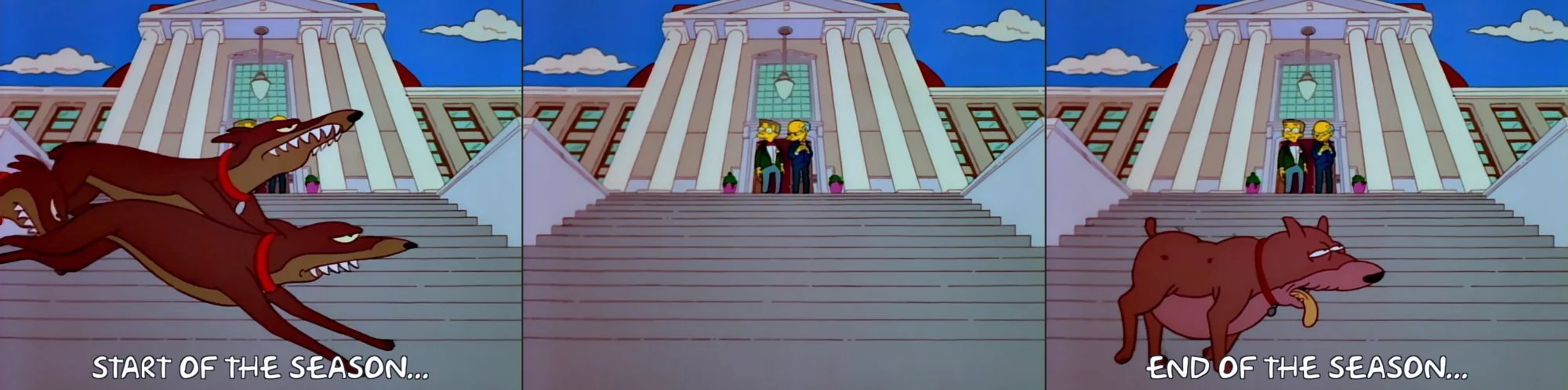
Ideally, we’re not reaching that overtraining and burnout phase towards the end of the season, but it can happen. The key to mitigating this, though, isn’t necessarily to take extended breaks from your sport or to stop when you do start to creep into this excess fatigue. Rather, we want to be proactive and change the dose of activity. This could be any combination of reducing volume (e.g. swings, throws, running distance, etc.), reducing intensity when appropriate, eliminating unnecessary accessory work, and taking inventory of your recovery methods to see if something is lacking. That being said, you want to maintain the qualities, attributes, or skills that you actually need for your sport. You’re not doing less of everything, but instead being more selective about what you do - prioritize the activities that are most important for your sport and reduce or eliminate the things that provide less value. For example, if a baseball player is their team’s primary pitcher, they may place less emphasis on their hitting while also reducing the number of throws in their bullpen sessions. Here, the “less is more” approach best summarizes how to manage fatigue at the end of the season.
During the off-season, you have the time and energy to build your strength, conditioning, attributes, and sports skills. Once the season begins, especially with a regular weekly schedule, it becomes nearly impossible to continue building everything at the same rate. That’s when your training should shift to focus on maintaining what you have built and recovering from games. If fatigue towards the end of the season sets in, that’s when more of an adjustment is needed to ensure your health and performance for the last little push.
Training and games are a stress. Recovery is what allows you to adapt to those stressors. At the beginning of the season, you may be able to tolerate training and game loads because you’re relatively fresh. But several months later, that exact same training load can be a different stimulus because you’re carrying more fatigue. A way to tackle this accumulating fatigue isn’t necessarily doing less of everything, but rather being more selective about what you do.
