What I’ve Changed My Mind About: Strength and Pain
Muscular strength is one of the biggest themes in rehab. Weak muscles are often blamed for pain - weak glutes or core for low back pain, and weak shoulder muscles for neck pain or poor posture. The logic seems straightforward: if weakness causes pain, then getting stronger should fix it.
Muscular strength is one of the biggest themes in rehab. Weak muscles are often blamed for pain - weak glutes or core for low back pain, and weak shoulder muscles for neck pain or poor posture. The logic seems straightforward: if weakness causes pain, then getting stronger should fix it.
That’s certainly what I believed early in my career. I assumed strength was the main driver of recovery. But over time, and after reading more research, I changed my mind. People often improve while doing strengthening exercises, but those improvements aren’t consistently explained by increases in strength. If it isn’t strength that’s making people feel better, what else is changing?
Strengthening exercises are prescribed for many painful conditions, and they often work. But the literature has repeatedly found that improvements in pain don’t always line up with improvements in strength. For example, tendinopathies of the Achilles, knee, and shoulder often see improvements without meaningful changes in tendon structure or strength. Those with either general knee pain or knee osteoarthritis can see improvements in their pain and function without the surrounding muscles drastically improving. This growing body of evidence has led me to change my wording around the use of strengthening exercises - often people get better with strengthening, but it’s not necessary in order to get better.
Exercise changes much more than muscle strength. It can reduce tissue sensitivity, improve confidence in movement, reduce fear around pain, improve cardiovascular fitness, improve sleep and overall health, and gradually expose the body to the demands you’re returning to. Strength is just one adaptation among many.
It’s important though to make the distinction between rehab for pain and rehab for physical performance and return to sport. Strength still matters in injury rehab. Following ACL reconstruction, the research suggests that quadriceps strength needs to be at least 90% compared to the unaffected side; otherwise, the risk of re-tear increases. For baseball players, there are a couple of different metrics in shoulder strength to aim for in order to maintain a healthy arm. Strength is important in this context, but rehab for pain is not the same as rehab for performance; pain cannot be reduced to just, “get stronger.”
I still want my patients to get stronger. I just no longer assume that getting stronger is the reason they improve, or even needed to improve. I used to present exercise as the way to get stronger in order to get out of pain. Now I present exercise in a much broader sense. Exercise is a way to stay active despite injury and pain, increase activity tolerance, reduce fears around movement and pain, and restore confidence to return to sport and activity. This doesn’t mean strength doesn’t matter. It just means that pain is more complicated than strength alone. Strength gains are often one of the outcomes of good rehab, but not necessarily the reason it worked.
Reference:
Powell J, Wood L, Cashin AG, Lewis JS. It is not all about strength: rethinking mechanistic assumptions in exercise-based rehabilitation for musculoskeletal pain relief. Br J Sports Med. 2026 Mar 17;60(6):407-409.
When Pain Doesn’t Mean You Need to Change Everything
Whenever something starts hurting, our first instinct is usually to do something about it. We look for different strengthening, stretching, or self-massage exercises, try to figure out what’s going on, and modify activity or stop altogether until it settles. This is a completely understandable reaction, and something I’ve done for my numerous injuries. But over the past few months, I’ve been doing almost the opposite with my own ankle.
Whenever something starts hurting, our first instinct is usually to do something about it. We look for different strengthening, stretching, or self-massage exercises, try to figure out what’s going on, and modify activity or stop altogether until it settles. This is a completely understandable reaction, and something I’ve done for my numerous injuries. But over the past few months, I’ve been doing almost the opposite with my own ankle.
I started to develop some pain on the outside of my left ankle throughout the course of my first baseball game this year back in March. I noticed it every time I got into my defensive position, but I was still able to run. After the game, I would get this painful stretching feeling whenever I would point my toes down and inward. I was a bit worried about continuing my running because one of my teammates had what sounded like a similar issue and couldn’t run because of it. However, because I was still able to run in the game without pain, I figured I’d give it a try. I was pleasantly surprised when it didn’t get worse with running; I could feel it throughout the run, but I think it actually felt better by the end. Walking around and doing all of my other exercises had no impact; it was literally just getting into my ready position in baseball that aggravated.
I played around with some exercises at home to try and load it like I do with most injuries, but nothing was really working for me— I knew I was loading the muscles, but just not in the direct way I like to during injury rehab. In looking at my running program and baseball schedule, I thought, “what is this actually stopping me from doing?” There wasn’t really anything, so I decided the best plan was to just keep monitoring it rather than overhaul everything. Here’s why.
It wasn’t getting progressively worse. Despite playing double-headerd and some intense weekly training, my ankle wouldn’t feel any worse during play or after. Overall, day-to-day it wasn’t becoming more painful. Even climbing down the steep hills of Mount Zeus in Greece, which was painful at the time, did not make it worse afterwards.
There were only two movements that aggravated it. The pain only appeared in two situations: getting into my defensive ready position in baseball, and actively pointing my toes down and in while sitting or lying down. Everything else - including running, hitting, lifting, and walking - was pain-free.
It wasn’t affecting what I could do. Pain isn’t the only thing that matters - function does too. My ankle wasn’t limiting any of my athletic and daily activities.
It was still being loaded. Even though I couldn’t find a good exercise that I felt was directly targeting the painful area, I wasn’t avoiding loading it. I was still running, playing baseball, strength training, and walking daily. This meant my ankle was still experiencing regular loading.
No obvious red flags. Nothing stood out as something that needed immediate attention - no acute mechanism, swelling, redness, heat, numbness, night pain or inability to weight-bear.
Time is part of rehab whether we like it or not. Whether I exercised it specifically or not, healing still happens. A big part of recovery, even with good rehab, is the body’s natural healing process, which takes time. Tendons especially (which is what I think this is) are notorious for taking weeks or months to be pain-free, so I’ve had to manage expectations.
It’s important to emphasize that this should not be the default approach to every injury. This decision was based on how my symptoms behaved over time. If the pain had become more limiting, progressively worsened, or stopped improving, I would have changed course by reducing my activity and adding more targeted rehab. This wasn’t a case of me avoiding rehab, but rather matching my approach to how my symptoms were responding.
We often assume every painful body part needs a sophisticated rehab plan. Sometimes it does, but sometimes it simply needs appropriate loading, time, and careful monitoring. The key for me was not panicking or worrying about my ankle, continuing to use it as much as I could, and being prepared to modify if something changed. Good rehab isn’t about doing more. It’s about doing what’s necessary, and knowing when nothing more is needed.
The Best Plans Aren’t Perfect. They’re Adaptable.
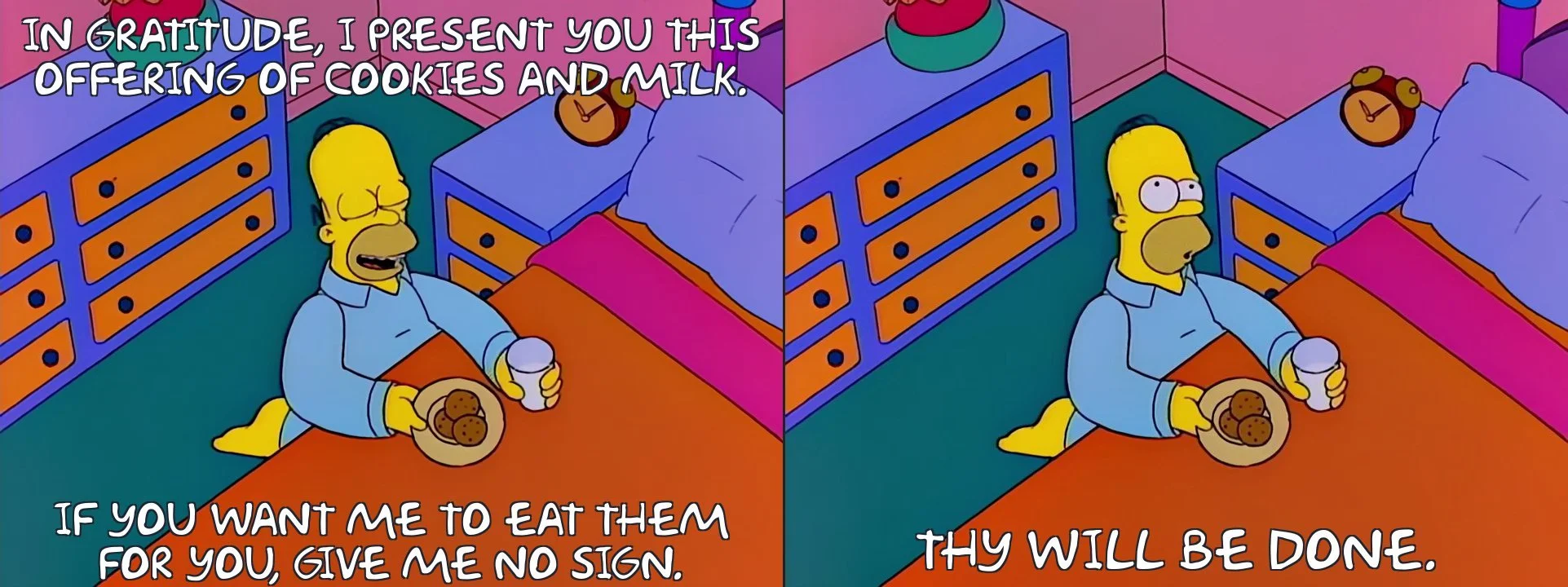
We’re always told that if you want to achieve something, the best thing you can do is make a plan. But as Mike Tyson said, everybody has a plan until you get punched in the face. You start feeling better, but then work gets busy, you get sick, you go on vacation; life happens. Suddenly you’re not following the plan exactly as intended, and it can feel like you’ve fallen behind or failed. But needing to adjust a plan doesn’t mean the plan failed. In many cases, the ability to adapt is what makes a plan successful in the first place.
We’re always told that if you want to achieve something, the best thing you can do is make a plan. But as Mike Tyson said, everybody has a plan until you get punched in the face. You start feeling better, but then work gets busy, you get sick, you go on vacation; life happens. Suddenly you’re not following the plan exactly as intended, and it can feel like you’ve fallen behind or failed. But needing to adjust a plan doesn’t mean the plan failed. In many cases, the ability to adapt is what makes a plan successful in the first place.
I learned this lesson the hard way while training for a half marathon. Last year I was building my running volume, but I became inconsistent with both my running and strength training due to travel, illness, and a stressful period. Instead of adjusting my program, I tried to continue as if nothing had changed. The result was knee pain that stopped my training and set me back for months.
This year I faced a similar situation. My honeymoon meant two weeks without running. Even though I was still active through walking and swimming, I knew that wasn’t the same as running. Instead of trying to continue where I left off, I adjusted my plan and reduced my volume for four weeks to build back up before progressing further. It delays my half marathon timeline by a few weeks, but that’s a much better outcome than losing another seven months.
Here are some things to consider if you feel you’ve been inconsistent in your rehab due to life getting in the way:
Manage expectations - if you’ve missed time due to life events, it’s unrealistic to expect the exact same progress as if nothing had changed. Adjusting expectations isn’t being negative; it’s being realistic.
Something is better than nothing - rehab doesn’t have to be all or nothing. Even doing one exercise is often enough to maintain momentum until life settles down.
Plan out what you can - if you know a vacation, work trip, or busy period is coming up, adjust the plan before it happens instead of trying to pretend nothing has changed.
Accept what you can’t plan for - illness, stress, emergencies, and unexpected events happen. Success isn’t avoiding them - it’s knowing how to respond when they occur.
Rehab is full of ups and downs - even under ideal circumstances, recovery has ups and downs. Progress isn’t measured by perfect weeks. It’s measured by the overall trend.
This is not a setback; it’s an adjustment - taking a step back after a break isn’t failure. It’s often the smartest way to keep moving forward.
Life is going to happen. Vacations, illness, work stress, family commitments, and unexpected interruptions are part of being human. A good rehab plan isn’t one that only works when life is perfect. It’s one that can adapt when life isn’t. Missing time doesn’t mean you’ve failed. Sometimes the smartest thing you can do is take a small step back, adjust the plan, and keep moving forward. That’s not a setback; that’s good rehab.
There’s No “Best” Rehab Exercise - Only the Right One For You
If you’ve ever had an injury, you’ve probably been given a list of exercises to do to help you recover. Or maybe you’ve searched for exercises online and found a handful of the “best” or “number 1” exercise for your injury. The problem is that even good exercises don’t work if they don’t fit into your life. That’s where most rehab plans fall apart. It’s easy to get caught up trying to find the perfect exercise, but the reality is the best exercise is the one that actually works for you. Many people don’t fail rehab because the exercises are wrong or because they lack motivation. They fail because the plan doesn’t stick.
If you’ve ever had an injury, you’ve probably been given a list of exercises to do to help you recover. Or maybe you’ve searched for exercises online and found a handful of the “best” or “number 1” exercise for your injury. The problem is that even good exercises don’t work if they don’t fit into your life. That’s where most rehab plans fall apart. It’s easy to get caught up trying to find the perfect exercise, but the reality is the best exercise is the one that actually works for you. Many people don’t fail rehab because the exercises are wrong or because they lack motivation. They fail because the plan doesn’t stick.
Why There’s No “Best” Rehab Exercise
There is no universal “best” rehab exercise. The same exercise that works well for one person might feel frustrating, confusing, or unrealistic for someone else. This is because not only do injuries differ, but because people differ as well. Your time, experience, goals, and day-to-day life all shape what will actually work for you. Research often shows that different exercise approaches lead to similar outcomes. This tells us something important: there usually isn’t just one right way to rehab an injury. You have more good options than you think.
Why “Perfect” Exercises Often Don’t Work
That “perfect” exercise you saw online might not work for you because:
It’s too much for where you’re at right now.
It takes longer to set up or complete than you have time for.
It needs equipment you don’t have.
It looks impressive, but doesn’t actually relate to what you need.
What Makes a Rehab Exercise Actually Work
But here’s the important part: any exercise can be the right one for you, if it fits. An exercise is more likely to work when it:
Fits your life. You have the time, space, and equipment to actually do it consistently.
Makes sense to you. You understand what you’re doing and why you’re doing it.
Can be adjusted. It can be progressed, regressed, or modified depending on how you’re feeling.
Builds confidence. You feel like you’re moving forward, not second-guessing every rep.
The best exercise for you is one that checks these boxes. If an exercise misses even one of them, it becomes harder to stick with. We know from behaviour change research that people are more likely to stick with something when it feels manageable, it fits into their routine, and they understand why they’re doing it. Rehab is no different.
Why People Struggle to Stick With Rehab
This can be why people will bounce from exercise to exercise - not because nothing works, but because nothing works for them. It’s easy to find an exercise that’s touted as the solution to your pain, but if it doesn’t fit your situation, or you don’t feel like it’s helping you move forward, then it’s not the solution to your problem - and that’s okay.
The Real Goal of Rehab
There’s no perfect rehab exercise. Just one that fits your life, makes sense to you, and actually moves you forward. The more you realize there are multiple ways to get there, the easier it becomes to stop chasing the “best” exercise and start making real progress. The perfect exercise doesn’t exist in isolation - it only exists in the context of you. If the exercise doesn’t fit your life, it won’t fix your problem.
"What a Difference Some Exercise and Time Makes”
This recent case highlights how patient education, realistic expectations, and a clear rehab plan can shape recovery.
This recent case highlights how patient education, realistic expectations, and a clear rehab plan can shape recovery.
A 69-year-old retired male had been running casually for over 10 years, typically 6–10km every other day from spring through fall. In early November, he felt some lower right glute pain during a run but was able to finish. After resting a week, he attempted another run and developed sharper pain around 2km in, forcing him to walk home. Since then, he had been resting and stretching. He noticed his flexibility improved, but the pain persisted — particularly with a few attempts at running. In January, after a delayed four-hour flight, he developed more significant pain down the back of his right leg. Sitting aggravated it, and a long Christmas dinner was his worst day. The leg pain, and how long it was taking to improve despite doing nothing to aggravate it, were what concerned him the most.
Patient Education
Early on, the priority was providing an explanation for his leg pain. Clinically, this presentation was consistent with proximal hamstring tendinopathy: common in runners and often aggravated by sitting pressure. We discussed the possibility of an initial gluteal strain but questioned it given the relatively low-load nature of distance running. The key message wasn’t obsessing over the perfect label. It was explaining: why sitting hurt, why symptoms evolved, why rest alone hadn’t solved it, what tendons actually need to improve, and how we could tackle both pain points. That led directly into expectations.
Setting Expectations
He was used to minor “niggles” resolving in 1–2 weeks. The concern was this felt different; even different from his prolonged ITB pain years ago, which left him frustrated by unclear explanations and slow progress. With spring approaching, he felt pressure for this to “heal now.” We discussed that tendinopathies are notorious for slower timelines — often 2–8 months depending on duration and loading consistency. This timeframe is not because something is severely damaged, but because tendons adapt gradually. He didn’t love that timeline, but having one was better than uncertainty. Understanding what is typical often reduces anxiety more than promising quick fixes that don’t pan out.
Proper Loading
During his rest period, he had mainly been stretching. Stretching can feel good and reduce pain temporarily, but tendons respond best to progressive resistance training. We introduced three primary exercises: hip thrusts, Romanian deadlifts (RDLs), and floor-sliding hamstring curls. The focus was on progressive loading of the proximal hamstring and glute through hip extension and knee flexion. We also discussed getting creative with loading, since his available weights were light. With hip hinges especially, most people can tolerate going relatively heavy. We kept stretching in the plan since he found it helpful and it wasn’t interfering with recovery, but strengthening became the priority.
Two Weeks Later
At follow-up, the first thing he said was: “What a difference some exercise and time makes.” He reported several days completely free of leg pain; the glute discomfort was still present but improved. He also noticed continued flexibility gains despite doing less static stretching and more strengthening. We progressed his RDL to a split-stance variation to increase single-leg loading without needing heavier weights. Next steps will include further progression and building toward a structured return-to-run plan.
Why This Case Matters
Despite being a running-related injury, improvement didn’t require anything fancy. It required a clear explanation, realistic expectations and progressive loading. Education reduced uncertainty, expectations reduced anxiety, and loading gave the tissue a reason to adapt. This wasn’t about chasing symptoms; it was about rebuilding capacity. It was about restoring capacity. Nothing flashy. Just the sound rehab principles of clear communication, calming things down and building them back up.
The Activity is the Rehab
The purpose of a rehab plan shouldn't be just to get you out of pain and heal the injured area, but to prepare you to return to your sport or activity feeling confident and ready to go. This is something that is often missing from rehab.
The purpose of a rehab plan shouldn't be just to get you out of pain and heal the injured area, but to prepare you to return to your sport or activity feeling confident and ready to go. This is something that is often missing from rehab. I’ve worked with countless patients who either completed rehab but didn’t feel they were ready for sports again, or who never progressed beyond simple rehab exercises and were still dealing with their injury. A great way to bridge the gap between rehab and a return to your activity is to incorporate the activity into the rehab; the activity is the rehab.
When and how we do this depends on factors like the type of injury, how long it has been present, the level of pain or sensitivity, and the sport itself. For example, for a runner who just sprained their ankle, we’re going to manage their pain and swelling and work on range of motion and strength before we worry about running again. But for a runner dealing with a hamstring tendinopathy, we may still be able to incorporate some running with modified parameters into their rehab if they can tolerate it.
The reason we need to incorporate the activity into the rehab plan comes back to the S.A.I.D. principle. With continued participation in a sport, we not only develop specific adaptations to that sport, but also a level of tolerance to its demands and forces. Each sport is going to have its own unique demands on the body, and nothing can prepare you for your sport like doing the sport itself.
Looking at running again since many sports involve some form of it, each stride can result in 2-3 times a person’s body weight going through their leg at a slower pace, and up to 6-8 times body weight at faster paces. Depending on the individual, the injury and equipment available, it may be very difficult to achieve these kinds of loads with rehab and strengthening exercises alone. Simple plyometric exercises like hopping and jumping come close to reproducing these forces and can be a great introduction, but ultimately if the goal is to return to running, then at some point the body has to be exposed to running again.
It’s important not to create a false dichotomy and think that strengthening isn’t important. Strength and rehab exercises build the physical strength and power needed for the sport and support the rehab process. Sport-specific activity prepares the body for sport by reintroducing those unique demands. Likewise, it doesn’t mean we just push through pain to maintain training tolerance. A good rehab program brings the exercises and activity down to a level the person can tolerate, and builds up from there.
Incorporating the sport into the rehab can also be great from a psychological aspect. Having to stop doing an activity you enjoy can make recovery seem more unattainable as thoughts of never being able to return may creep in. Finding ways to incorporate some degree of the sport can help you feel like a return is possible and provide encouragement along the way.
Rehab shouldn’t end when the pain fades; it should end when you feel prepared, and nothing can prepare you for your sport like doing the sport itself. Modify it to what you can tolerate, and build from there. That’s how you bridge that gap physically and mentally.
Rest Is Not Lazy
Last week, I explained why rest alone is not rehab. This week, I want to address the other side of that conversation: resting isn’t being lazy. While we often feel the need to be actively doing something throughout our entire rehab, rest can be a valuable tool when used appropriately. Rest isn’t the opposite of rehab, but rather a part of it.
Last week, I explained why rest alone is not rehab. This week, I want to address the other side of that conversation: resting isn’t being lazy. While we often feel the need to be actively doing something throughout our entire rehab, rest can be a valuable tool when used appropriately. Rest isn’t the opposite of rehab, but rather a part of it.
Inflammation: Helpful Until It Isn’t
Rest is most important in the first few days following an acute injury. This phase, known as the inflammatory stage of healing, is an immune response that helps clean up the injured area and set the stage for recovery. Inflammation isn’t a bad thing — it’s necessary. However, it’s also typically the most painful phase, which serves as a reminder that the tissue is vulnerable. Ignoring this phase can lead to further injury or a larger inflammatory response, both of which can slow recovery. Gentle range-of-motion movements are often appropriate here, but rest at this stage is about respecting the healing process, not pushing through it.
Stress Builds, Rest Rebuilds
When we train in the gym, we don’t usually work the same muscle group hard on consecutive days. The time in between allows the body to recover and adapt. Rehab works the same way. Rehab exercises provide the stimulus, but the body responds and heals during rest. Without enough time to recover, even well-designed rehab exercises can become another stressor rather than a benefit.
Progress Loves Patience
Many injuries are related to doing too much, too soon, or too often without enough recovery. Overuse injuries aren’t usually caused by a single mistake, but by a gradual mismatch between training demands and recovery. Building rest into your training helps manage this. Setbacks or flare-ups aren’t failures — they’re often just load miscalculations that signal the body wasn’t fully prepared for the demands placed on it.
More Than Just the Tissue
Injury is never just a physical issue. The same biopsychosocial factors that influence injury also influence pain and recovery. Your body is constantly balancing training, work stress, sleep, nutrition, and social pressures. When rest is consistently ignored, fatigue builds and tolerance for both activity and healing drops. Strategic rest helps calm the system as a whole and not just the injured tissue.
The goal of rest isn’t to slow you down — it’s to set you up for future training. Rest is when the body repairs itself after you’ve given it a reason to adapt. Smart rehab is knowing when to push and when to pause. Rest alone isn’t rehab, but rehab without rest doesn’t work either.
Why Rest Alone Isn’t Rehab
Whenever we suffer an injury or experience pain, our first instinct is usually to rest the area. There’s the old doctor joke: “It hurts when I do this.” “Then don’t do that.” In the short term, this advice makes sense. Pain often increases with movement, so avoiding movement can help manage symptoms and reduce the fear of making things worse. Rest reduces pain, but rehab builds tolerance.
Whenever we suffer an injury or experience pain, our first instinct is usually to rest the area. There’s the old doctor joke: “It hurts when I do this.” “Then don’t do that.” In the short term, this advice makes sense. Pain often increases with movement, so avoiding movement can help manage symptoms and reduce the fear of making things worse. Rest reduces pain, but rehab builds tolerance.
The problem is that rest alone does not prepare the body to return to sport or activity. While rest can help calm pain, it doesn’t rebuild strength, tolerance, or confidence. That’s why “rest until it feels better” often leads people right back to pain or re-injury once they try to return.
This is where the idea of relative rest becomes important.
The first two to four days following an acute injury are often the most painful. This is when inflammation is active and tissues are highly sensitive. During this phase, rest is appropriate — especially from the movements or activities that clearly worsen symptoms. But even here, absolute rest isn’t ideal.
Relative rest means avoiding high-stress activities while still allowing tolerable movement. Simple actions like wiggling fingers or toes, moving the joints above and below the injury, or gentle pain-free motion can help manage swelling, maintain muscle activity, and support the healing process without overloading injured tissue. As pain begins to settle, this relative rest gradually shifts toward more direct and intentional loading.
Take a rolled ankle as an example. In the first few days, you might use crutches or a walking boot to reduce stress on the ankle and manage pain. You may also elevate it to help with swelling. This is appropriate rest, but that’s not the end of rehab. Throughout the day, you can still wiggle your toes and bend and straighten your knee. Once pain improves, ankle movement can be added in all directions, first without weight, then with gradual loading. This can progress to gentle isometrics, resisted exercises, general lower-body strengthening, and eventually running, cutting, and change-of-direction work to match the demands of your sport. At each stage, the goal isn’t just to feel better but to prepare the ankle to tolerate what’s coming next.
This is where the SAID principle comes in: Specific Adaptation to Imposed Demands - or more simply, use it or lose it (read more here). When we completely rest for too long, the body adapts by losing strength, conditioning, and tolerance to load. Pain may settle, but tolerance decreases. When activity is reintroduced without rebuilding that tolerance, the body is often less prepared than before, increasing the risk of setbacks or re-injury.
Even small amounts of early loading can help maintain tolerance and limit this deconditioning. As symptoms allow, progressively increasing load is what actually restores strength, confidence, and resilience, not just in the tissue, but also in your ability to trust your body again. Rehab isn’t just about calming symptoms - it’s about making sure your body is ready to return to what you want to do.
If your rehab plan is only rest, you’re likely to stall. A smart rehab plan keeps you moving within tolerance, then gradually builds that tolerance so that when you return to sport or activity, your body is prepared.
Why the Lateral Raise Is My Go-To Exercise for Shoulder Pain
I generally don’t like using the term “best” when it comes to discussing exercises. Exercises aren’t good or bad, and there isn’t one “best” movement - everything requires context. Exercise selection should be based on the individual person’s goals, current ability, available equipment, comfort, and preferences.
I generally don’t like using the term “best” when it comes to discussing exercises. Exercises aren’t good or bad, and there isn’t one “best” movement - everything requires context. Exercise selection should be based on the individual person’s goals, current ability, available equipment, comfort, and preferences.
That said, when I’m working with people dealing with shoulder pain, I do have a go-to exercise: the lateral raise. I’m going to call it the “best” exercise for those with shoulder pain for the following reasons, some of which you might not have even considered!

Jack of All Trades
The deltoids are the eye-catching shoulder muscle, but in rehab the rotator cuff often gets most of the attention. The rotator cuff is a group of four muscles that provide stability to the highly mobile shoulder joint. The rotator cuff works during every shoulder movement, but certain movements load specific cuff muscles more than others. It turns out the lateral raise hits all of the rotator cuff muscles fairly equally. In cases where it is difficult determining which cuff muscle is irritated, the lateral raise can be a great first exercise to load the entire shoulder.
Easy as ABC
The lateral raise is an easy and straightforward exercise to teach, learn, and execute. Exercises like squats, deadlifts, or bench press may come with various cues and specific techniques, but for the lateral raise, you’re simply raising your straight arm to around shoulder height. This makes it an easy exercise for those who are not familiar or comfortable with resistance training. It’s also easier to remember and actually complete, instead of worrying about five different cues like you might when squatting.
You Can Go Your Own Way
The lateral raise is great because there are many ways you can modify it to suit your needs, both from a rehab and performance standpoint. If someone is having pain with this movement, turning their hands from a palms-down to a thumbs-up position, or moving their arms from straight out to the side to angled slightly forwards (T to V position) might provide relief for this exercise. If someone is getting pain at the top position, we might have them perform it while lying on their side to eliminate gravity in that position. Or we can use a resistance band that has little tension at the start if the bottom of the movement is painful.
Performance-wise, you can opt to use a cable machine (single or double-arm, standing or supine) in order to maintain tension in the bottom position. You can also achieve this by doing a single-arm lateral raise but leaning into a wall so that the weight is across your body, giving you more stretch at the start. Essentially, you have lots of different options to modify the exercise to suit your needs.
Light Weight Baby
The lateral raise is generally an exercise you do not load with very heavy a weight, due to the small muscles of the shoulder and the large moment arm when your arms are fully straight out to your side. This is great for the average person dealing with shoulder pain because you don’t need to go out and buy heavy weights. You may not even need to buy weights at all. You can get creative by using a full water bottle, a can of soup, or loading a grocery bag with household items. This makes the lateral raise an easily accessible exercise for many people to do.
I call the lateral raise my “best” shoulder exercise, not because it’s magic, but because it checks many practical boxes. It strengthens multiple muscles, it’s easy to learn, it’s adaptable when painful, and it doesn’t require much equipment. In real life, those things matter more than perfection. For many people with shoulder pain, it’s not about finding the perfect exercise - it’s finding something they can actually do consistently without flaring things up. The best exercise is the one you understand, feel confident doing, and can actually stick with.
Is All Stress Bad?
“Stress” is used in the strength and conditioning, training, and rehab world with a negative connotation. We hear people say, “don’t do the knee extension machine because it stresses your knees” or “deadlifts put stress on your low back.” While said with good intentions, there is a lot of context missing in these statements. Rather than viewing stress as only bad, we need to look back at the SAID principle to see how stress can be a good thing.
When we hear the word “stress”, we tend to think of it as being a negative thing. Chronic stress can certainly have physical, emotional, and behavioural symptoms and sequelae affecting your health. But stress is the body’s natural response to pressure or demands, and in the short term, it can be extremely motivating, such as finishing a project before a deadline or running away from a dangerous situation.
But “stress” is also used in the strength and conditioning, training, and rehab world with a negative connotation. We hear people say, “don’t do the knee extension machine because it stresses your knees” or “deadlifts put stress on your low back.” While said with good intentions, there is a lot of context missing in these statements. Rather than viewing stress as only bad, we need to look back at the SAID principle to see how stress can be a good thing.
The stress we’re usually referring to in the rehab world is the physical demands we place on our bodies through physical activity. In material science and physics, the mathematical formula for stress is: stress = force / surface area. This formula explains why it is dangerous to step on a single nail but safe to lay on a bed of nails. When stepping on a nail, you have your entire body weight (the force) coming down through your foot onto the pinpoint (surface area) of a nail. But when you lay on a bed of nails, your body weight is displaced over a larger surface area, despite still being sharp nails.
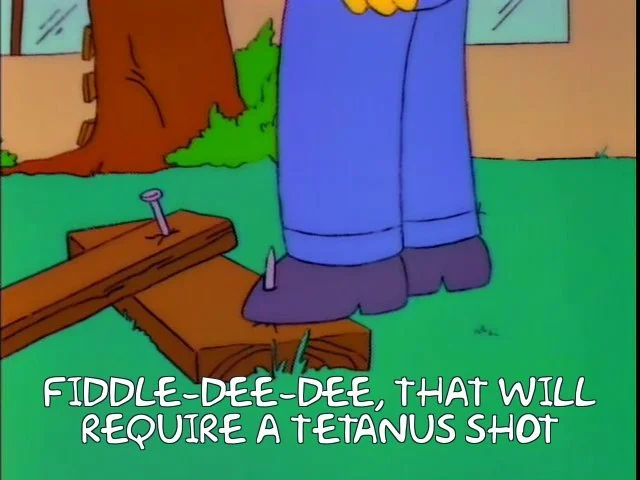
This is usually the context that people use when it comes to stress and exercise. In the above comment about knee extensions stressing the knee, the implied warning is that weight, positioning, and movement from the knee extension machine applied more force over the small knee cap. What is usually offered as a safer alternative is squats, as the movement allows for more muscles and joints to be used to lessen the stress on the knee via a larger surface area.

While mathematically this may be true, it is important to remember that the human body is not a machine and is capable of adaptation. Just like you shouldn’t start your first day of running by doing a marathon, you should be selecting an appropriate weight for the knee extension machine. With time and consistency, you should be able to progress your weight because your body adapts and gets stronger, even if it is more “stressful” than other leg exercises. As well, the human body is highly individualistic. While one person may find the knee extension machine irritating for their knees, someone else may find this perfectly fine and a great quadriceps-isolation exercise. Differences in anatomy, training history, previous injuries, and beliefs are some examples of why an exercise would vary between people.
We can also refer to stress in a more general sense when we think of our training program and physical activities as a whole, and our ability to recover from them. This is where semantics may muddle things, as sometimes stress, load, and volume are used interchangeably when referring to the total amount of physical activity someone is doing. But in reality, when we do physical activity, we are increasing the demands on our cardiovascular, respiratory, and musculoskeletal systems, thereby “stressing” them. But this stress is needed, as it is the main driving force for adaptation and improving these systems. If we don’t stress our bodies enough, we don’t see improvements in our function, and we may even regress. If we over-stress our bodies with excessive activity, we’re not allowing for the recovery needed to cause improvements, and we may even be setting ourselves up for injury and burnout.
When we talk about stress in rehab, there needs to be context behind it. Stress is just a number, or rather just the representation of force over surface area - it means nothing without context and is inherently neither good nor bad. Stress, both the colloquial and mathematical meaning, in rehab is necessary for a full recovery. An injured muscle, tendon, ligament, or bone must be loaded and stressed in order to induce physiological adaptations leading to the healing of the tissue with greater strength capabilities if one hopes to return to physical activity pain-free. The timing of this stress and the amount of stress are key though in a rehab program— stressing a tissue too early or too much can certainly cause setbacks, but we also want to make sure we’re not delaying or under-stressing the tissue as this will not set us up for success.
Stress is necessary, but whether it helps or harms depends on how much you can tolerate at the time. Rehab then isn’t about avoiding stress, but about applying the right amount at the right time, based on what the person can tolerate.